Hydraulic Ball Valve Manufacturer
What is a Hydraulic Ball Valve?
A hydraulic ball valve is a type of quarter-turn valve used to control the flow of hydraulic fluids in high-pressure systems. It operates using a spherical ball with a drilled bore at its center. When the ball is rotated 90 degrees by a lever or actuator, the bore aligns with the flow path to allow fluid passage, or turns perpendicular to completely stop the flow. This simple mechanism provides fast and reliable on-off control.
Hydraulic ball valves are typically constructed from robust materials such as carbon steel, stainless steel, or alloy steel to withstand high pressures and demanding operating conditions. The ball is supported by durable seats, commonly made from PTFE or reinforced polymers, which ensure tight sealing and minimal leakage. These valves can be manually operated or fitted with hydraulic, pneumatic, or electric actuators for automated control.
One of the main advantages of hydraulic ball valves is their excellent sealing performance combined with low pressure drop. When fully open, the straight-through flow design minimizes turbulence and energy loss. They are also highly durable, require minimal maintenance, and provide bubble-tight shutoff, making them suitable for frequent operation in hydraulic circuits.
Hydraulic ball valves are widely used in industries such as oil and gas, power generation, construction equipment, manufacturing, and mobile hydraulics. Common applications include hydraulic power units, fluid transfer lines, pressure isolation points, and emergency shutoff systems. Their reliability, quick operation, and ability to handle high pressures make hydraulic ball valves a critical component in modern hydraulic systems.
In addition to their performance advantages, hydraulic ball valves are valued for their compact design and ease of installation in confined hydraulic systems. Their simple internal construction reduces the risk of internal wear and allows for long service life even under frequent cycling. Many designs also support high-cycle operation and resistance to vibration, making them ideal for mobile hydraulics, heavy machinery, and automated systems where reliability and safety are critical.
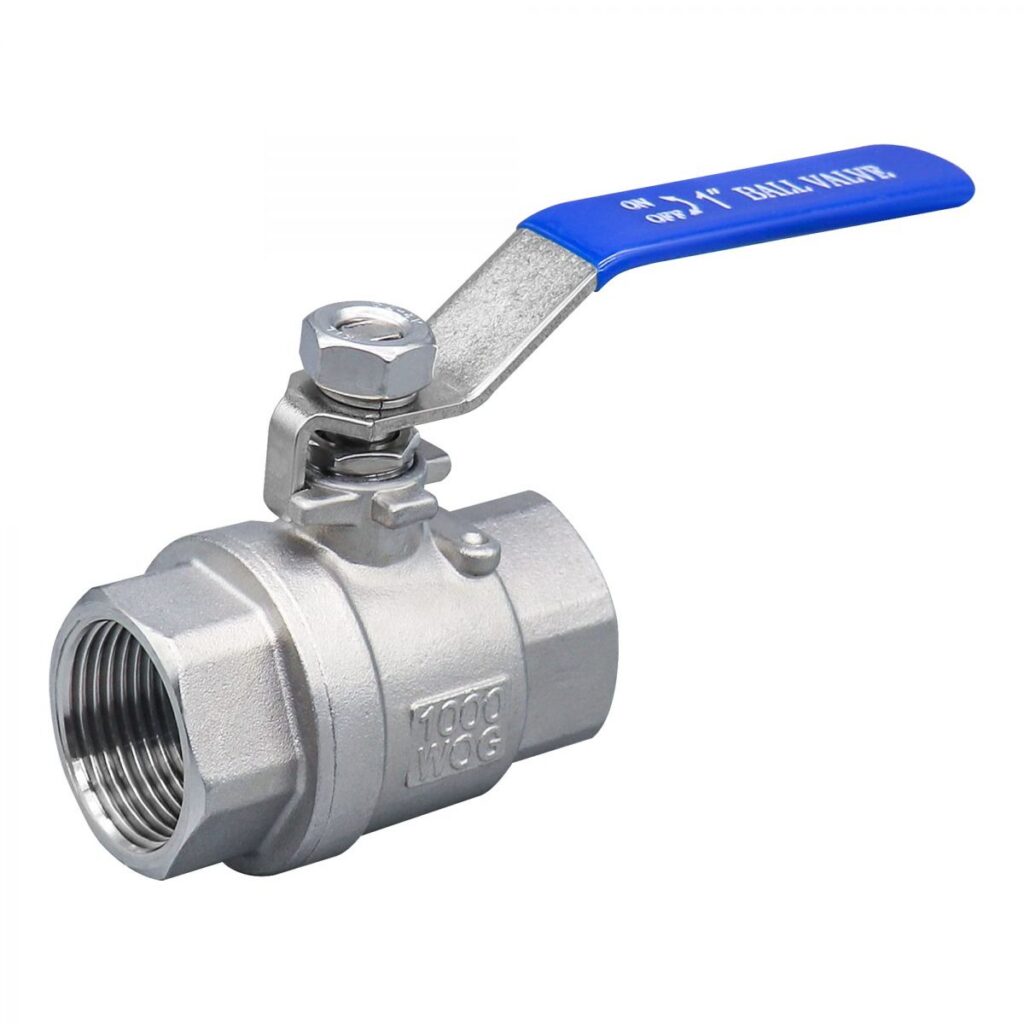
Standard Specifications for Hydraulic Ball Valve
| Parameter | Specification |
|---|---|
| Valve Type | Hydraulic Ball Valve |
| Operation | Quarter-turn manual or actuator operated |
| Function | On–off flow control |
| Nominal Size | DN 6 to DN 200 |
| Pressure Rating | Up to 500 bar |
| Body Material | Carbon steel or stainless steel |
| Ball Material | Stainless steel hard chrome plated |
| Seat Material | PTFE or reinforced polymer |
| Stem Material | Stainless steel |
| End Connection | Threaded BSP or NPT, flanged |
| Seal / Packing | PTFE seals with O-rings |
| Operating Temperature | −20°C to 180°C |
| Working Medium | Hydraulic oil and compatible fluids |
| Flow Direction | Bi-directional |
| Mounting Position | Any position |
| Leakage Class | Bubble-tight shutoff |
| Surface Finish | Zinc plated or painted |
| Standards | ISO, ANSI, DIN |
| Testing | Pressure and leakage tested |
| Application | Hydraulic power and fluid control systems |
Hydraulic Ball Valve Application Industries
- Oil and gas industry
- Water supply and wastewater treatment plants
- Steam and boiler systems
- Hydraulic and pneumatic systems
- Pulp and paper industries
- HVAC and industrial utility systems
- Chemical and process industries
- Refineries and petrochemical plants
FAQs
How do you ensure consistent service quality?
We maintain consistent service quality by implementing rigorous training programs, regularly updating our processes, and gathering feedback from customers. This allows us to continuously improve and adapt to their needs, ensuring high standards are met at every touchpoint.
What key factors create memorable customer experiences?
Memorable customer experiences are created by understanding customer needs, providing personalized interactions, ensuring prompt responses, and maintaining a positive, friendly attitude. Consistency in service quality and exceeding expectations are also essential for lasting impressions.
How do you handle customer issues efficiently?
We handle customer issues efficiently by actively listening, identifying the root cause, and offering timely solutions. Clear communication and regular updates keep customers informed, while swift action and follow-up ensure a positive resolution.
What sets your service apart from competitors?
Our service stands out through personalized attention, quick response times, and a commitment to continuous improvement. We prioritize customer satisfaction, consistently adapting to feedback and industry trends to deliver exceptional, tailored experiences.

Forged for Perfection.
Trusted for Precision.
Delivered with Confidence.
Products
Materials
Contact
- sales@shribhairavforge.com
- +91 9969566209
- +91 22 6636 2333
- Plot 59, Dr M.G Marg, Mumbai - 400004, Maharashtra, India
- Shribhairav Metal Corporation