ASME B16.36 Orifice Flange Manufacturer
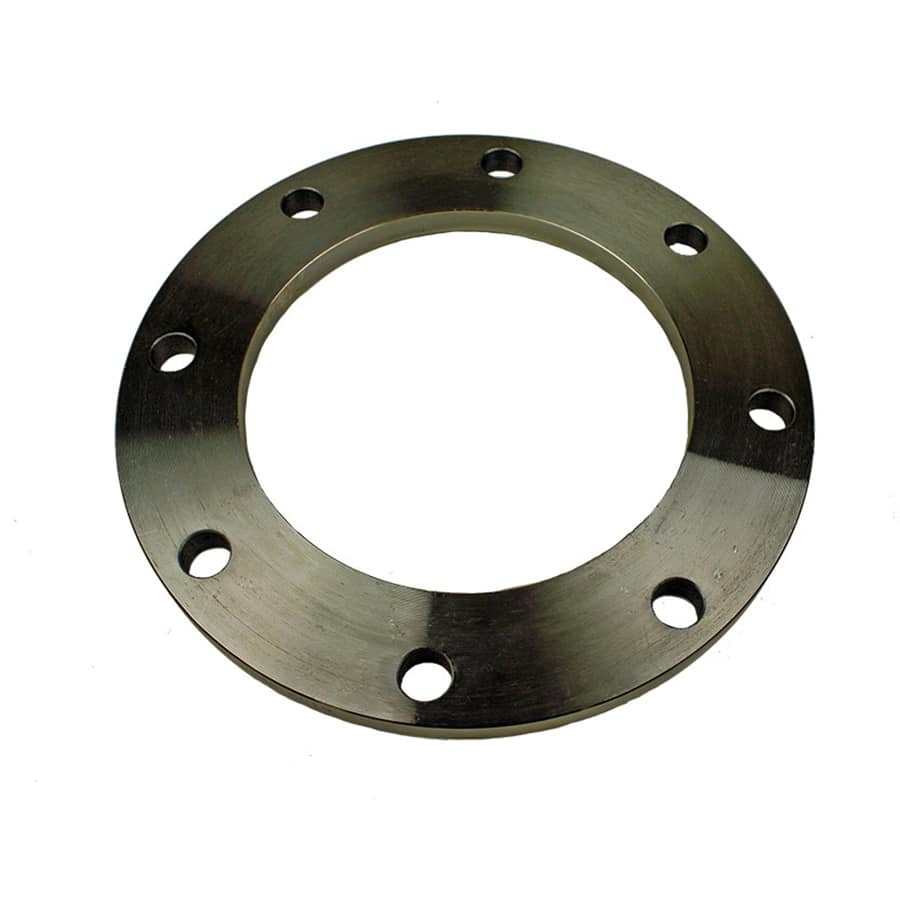
Shribhairav Forge manufactures high-quality orifice flanges, which are specialized flanges used in piping systems to measure the flow rate of liquids, gases, or steam. They are designed to hold an orifice plate between two flanges, which creates a pressure drop as fluid passes through the plate. By measuring the differential pressure across the orifice plate, engineers can calculate the flow rate of the fluid in the pipeline. Orifice flanges are commonly manufactured according to the standard ASME B16.36 Orifice Flanges Standard, ensuring reliability and accuracy in industrial flow measurement applications.
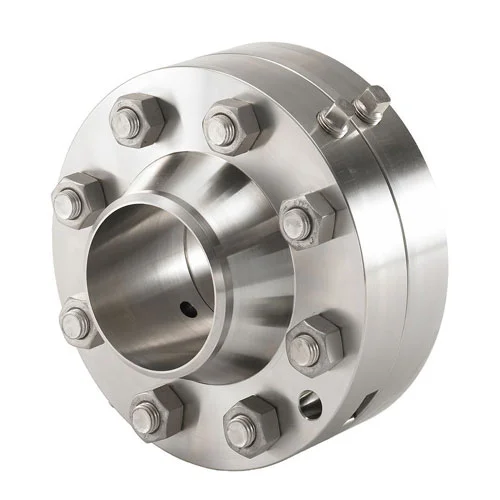
One of the key features of orifice flanges is the presence of pressure tapping holes that allow instruments to measure differential pressure. These taps are typically threaded connections located on both sides of the flange and are connected to pressure gauges or transmitters. In addition, jack screw holes are provided to help separate the flanges safely when the orifice plate needs to be removed for maintenance or calibration.
These flanges typically include pressure tap holes drilled into the flange body to connect pressure gauges or transmitters. The taps are usually 1/2" NPT threaded connections located on the upstream and downstream sides of the orifice plate to measure differential pressure. Orifice flanges also have jack screw holes, which help separate the flanges easily during maintenance or when removing the orifice plate for inspection or replacement.
Orifice flanges are widely used in industries such as oil and gas, petrochemical plants, power generation, and water treatment facilities. They are available in different pressure classes (300 to 2500), sizes (1" to 24" NPS), and materials such as carbon steel, stainless steel, and alloy steel to suit different operating conditions. Their design ensures accurate flow measurement and easy installation in pipeline systems.
ASME B16.36 Orifice Flange Specification, Size, Grades, Standards:
| Parameter | Specification |
|---|---|
| Standard | ASME B16.36 |
| Flange Types | Orifice Weld Neck (WN), Orifice Slip-On (SO) |
| Nominal Pipe Size (NPS) | 1" – 24" |
| Pressure Classes | 300, 600, 900, 1500, 2500 |
| Facing Types | Raised Face (RF), Ring Type Joint (RTJ) |
| Bore Type | Concentric / Eccentric |
| Pressure Tap Size | 1/2" NPT |
| Pressure Tap Quantity | 2 (Upstream & Downstream) |
| Jack Screw Holes | Provided for plate removal |
| Compatible Pipe Standards | ASME B36.10, ASME B36.19 |
| Carbon Steel Grade | ASTM A105 |
| Low Temperature Steel | ASTM A350 LF2 |
| Stainless Steel Grades | ASTM A182 F304 / F316 |
| Alloy Steel Grades | ASTM A182 F11 / F22 |
| Application | Flow measurement using orifice plate in piping systems |
Chemical Composition of ASTM A182 Stainless Steel Flange
| Grade | C | Mn | Si | P | S | Cr | Ni | Mo |
|---|---|---|---|---|---|---|---|---|
| 304 | ≤0.08 | ≤2.0 | ≤1.0 | ≤0.045 | ≤0.030 | 18–20 | 8–11 | – |
| 304L | ≤0.035 | ≤2.0 | ≤1.0 | ≤0.045 | ≤0.030 | 18–20 | 8–13 | – |
| 304H | 0.04–0.10 | ≤2.0 | ≤0.75 | ≤0.045 | ≤0.030 | 18–20 | 8–10.5 | – |
| 310 | ≤0.25 | ≤2.0 | ≤1.5 | ≤0.045 | ≤0.030 | 24–26 | 19–22 | – |
| 316 | ≤0.08 | ≤2.0 | ≤1.0 | ≤0.045 | ≤0.030 | 16–18 | 10–14 | 2–3 |
| 316L | ≤0.035 | ≤2.0 | ≤1.0 | ≤0.045 | ≤0.030 | 16–18 | 10–14 | 2–3 |
| 316H | 0.04–0.10 | ≤2.0 | ≤1.0 | ≤0.045 | ≤0.030 | 16–18 | 10–14 | 2–3 |
| 316Ti | ≤0.08 | ≤2.0 | ≤0.75 | ≤0.045 | ≤0.030 | 16–18 | 10–14 | 2–3 |
| 317 | ≤0.08 | ≤2.0 | ≤1.0 | ≤0.045 | ≤0.030 | 18–20 | 11–15 | 3–4 |
| 321 | ≤0.08 | ≤2.0 | ≤1.0 | ≤0.045 | ≤0.030 | 17–19 | 9–12 | – |
| 347 | ≤0.08 | ≤2.0 | ≤1.0 | ≤0.045 | ≤0.030 | 17–19 | 9–13 | – |
| 904L | ≤0.02 | ≤2.0 | – | ≤0.045 | ≤0.030 | 19–23 | 23–28 | 4–5 |
Mechnical Properties of ASTM A182 Stainless Steel Flange
| Grade | Tensile Strength | Yield Strength | Elongation (min) | Hardness |
|---|---|---|---|---|
| 304 | ~75,000 psi / 515 MPa | ~30,000 psi / 205 MPa | ~35–40 % | ~201 HB |
| 304L | ~75,000 psi / 515 MPa | ~30,000 psi / 205 MPa | ~35–40 % | ~201 HB |
| 304H | ~75,000 psi / 515 MPa | ~30,000 psi / 205 MPa | ~40 % | ~201 HB |
| 310 / 310H | ~75,000 psi / 515 MPa | ~30,000 psi / 205 MPa | ~40 % | ~217 HB |
| 316 | ~75,000 psi / 515 MPa | ~30,000 psi / 205 MPa | ~35–40 % | ~217 HB |
| 316L | ~75,000 psi / 515 MPa | ~30,000 psi / 205 MPa | ~35–40 % | ~217 HB |
| 316H | ~75,000 psi / 515 MPa | ~30,000 psi / 205 MPa | ~40 % | ~217 HB |
| 316Ti | ~75,000 psi / 515 MPa | ~30,000 psi / 205 MPa | ~40 % | ~217 HB |
| 317 | ~75,000 psi / 515 MPa | ~30,000 psi / 205 MPa | ~40 % | ~217 HB |
| 321 | ~75,000 psi / 515 MPa | ~30,000 psi / 205 MPa | ~40 % | ~217 HB |
| 347 | ~75,000 psi / 515 MPa | ~30,000 psi / 205 MPa | ~40 % | ~217 HB |
| 904L | ~71,000 psi / 490 MPa | ~32,000 psi / 220 MPa | ~35 % | ~192 HB |
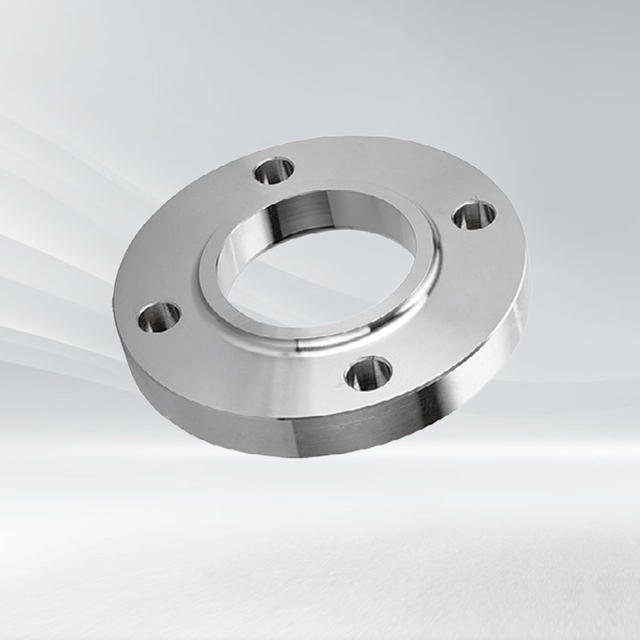
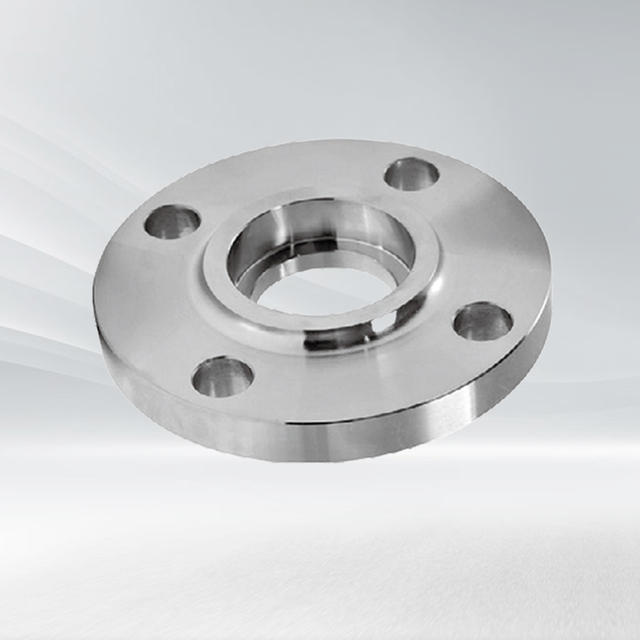
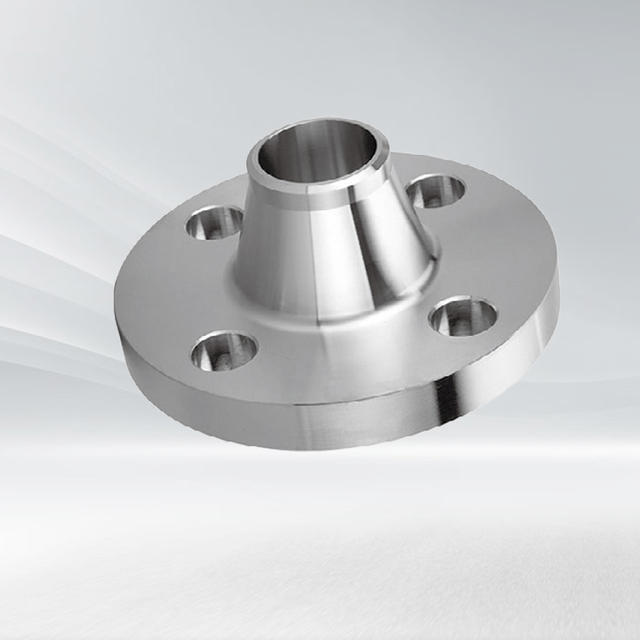
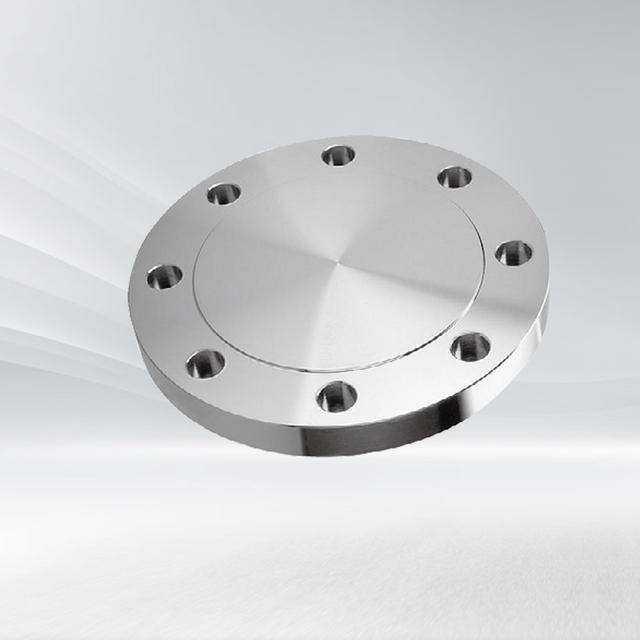
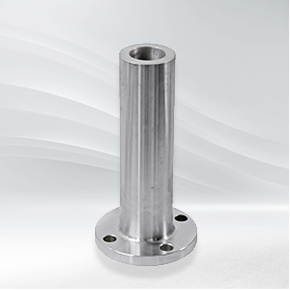
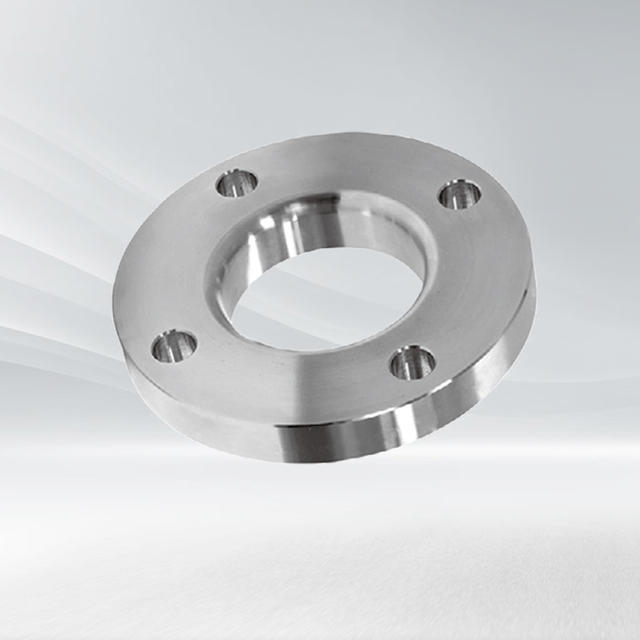
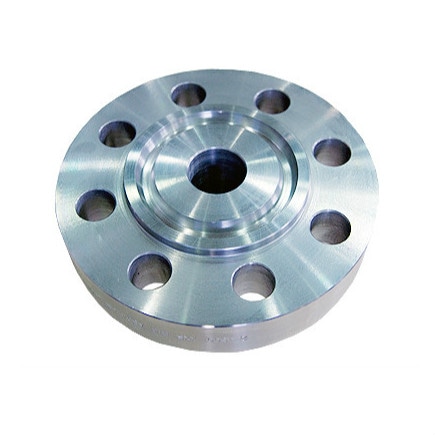
Different Types of Stainless Steel Flanges


FAQs
How do you ensure consistent service quality?
We maintain consistent service quality by implementing rigorous training programs, regularly updating our processes, and gathering feedback from customers. This allows us to continuously improve and adapt to their needs, ensuring high standards are met at every touchpoint.
What key factors create memorable customer experiences?
Memorable customer experiences are created by understanding customer needs, providing personalized interactions, ensuring prompt responses, and maintaining a positive, friendly attitude. Consistency in service quality and exceeding expectations are also essential for lasting impressions.
How do you handle customer issues efficiently?
We handle customer issues efficiently by actively listening, identifying the root cause, and offering timely solutions. Clear communication and regular updates keep customers informed, while swift action and follow-up ensure a positive resolution.
What sets your service apart from competitors?
Our service stands out through personalized attention, quick response times, and a commitment to continuous improvement. We prioritize customer satisfaction, consistently adapting to feedback and industry trends to deliver exceptional, tailored experiences.
- Flanges
- Slip-on Flange
- Blind Flange
- Spectacle Blind Flange
- Threaded Screwed Flange
- Long Weld Neck Flange
- Lap Joint Flange
- Socket Weld Flange
- Flangeolet
- Weld Neck Ring Type Joint Flange
- Ring Spacers (Paddle Spacers)
- Weld Neck Flange
- Ring Type Joint Flange
- Plate Flange
- Tongue & Groove Flange
- SAE Threaded Flange
- SAE Close Blind Flange
- SAE Buttweld Flange
- SAE Socket Weld Elbow Flange
- SAE Socket Weld Flange
- SAE Flat Socket Weld Flange
- SAE Split Flange
- SAE Reducing Flange
- Raised Face Flange
- Spade (Paddle Blanks/Blinds)
- Bleed Ring
- Orifice Flange
- Socket Weld Forged Fittings
- Threaded Forged Fitting
- Threaded / Screwed 90° Deg Elbow
- Threaded / Screwed 45° Deg Elbow
- Threaded / Screwed Tee
- Threaded / Screwed Unequal Tee
- Threaded / Screwed Cross
- Threaded / Screwed Unequal Cross
- Threaded / Screwed Half Coupling
- Threaded / Screwed Full Coupling
- Threaded / Screwed Cap
- Threaded / Screwed Union
- Threaded / Screwed Hex Plug
- Threaded / Screwed Square Plug
- Threaded / Screwed Bushing
- Threaded / Screwed Hex Nipple
- Threaded / Screwed Swage Nipple
- Threaded / Screwed Pipe Nipple
- Threaded / Screwed Street Elbow
- Buttweld Pipe Fittings
- Compression Tube Fittings
- 45° Bulk Head Elbow
- 45° Male Elbow
- 45° Union Elbow
- Bulk Head Union Elbow
- Union Elbow Connector
- 45° Female Connector
- Male Elbow Connector
- Female Elbow Connector
- Union Tee Connector
- Unequal Tee Connector
- Male Branch Tee
- Female Branch Tee
- Male Run Tee
- Female Run Tee
- Union Cross Tee Connector
- Bulk Head Male Connector
- Bulk Head Female Connector
- Male Connector
- Female Connector
- Plain Connector
- Tube Cap Connector
- Bulk Head Union
- Equal Union
- Reducing Union
- Male Adaptor
- Female Adaptor
- Tube Adaptor
- Front Ferrule
- Back Ferrule
- Tube Plug
- Nut
- Instrumentation Valves
- Fasteners
- We Export To

Forged for Perfection.
Trusted for Precision.
Delivered with Confidence.
Products
Materials
Contact
- sales@shribhairavforge.com
- +91 9969566209
- +91 22 6636 2333
- Plot 59, Dr M.G Marg, Mumbai - 400004, Maharashtra, India
- Shribhairav Metal Corporation